
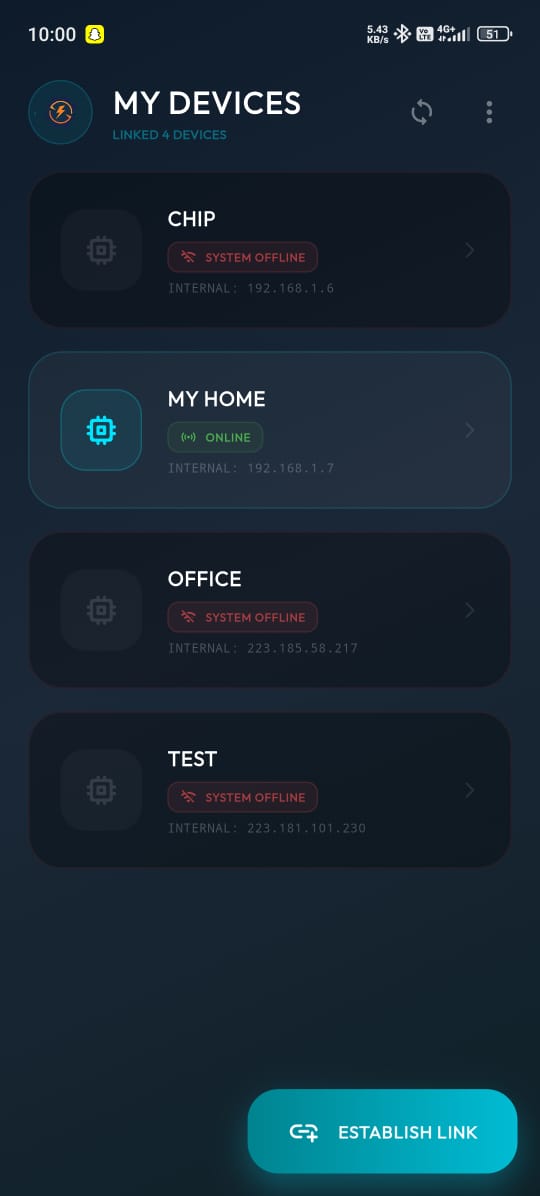
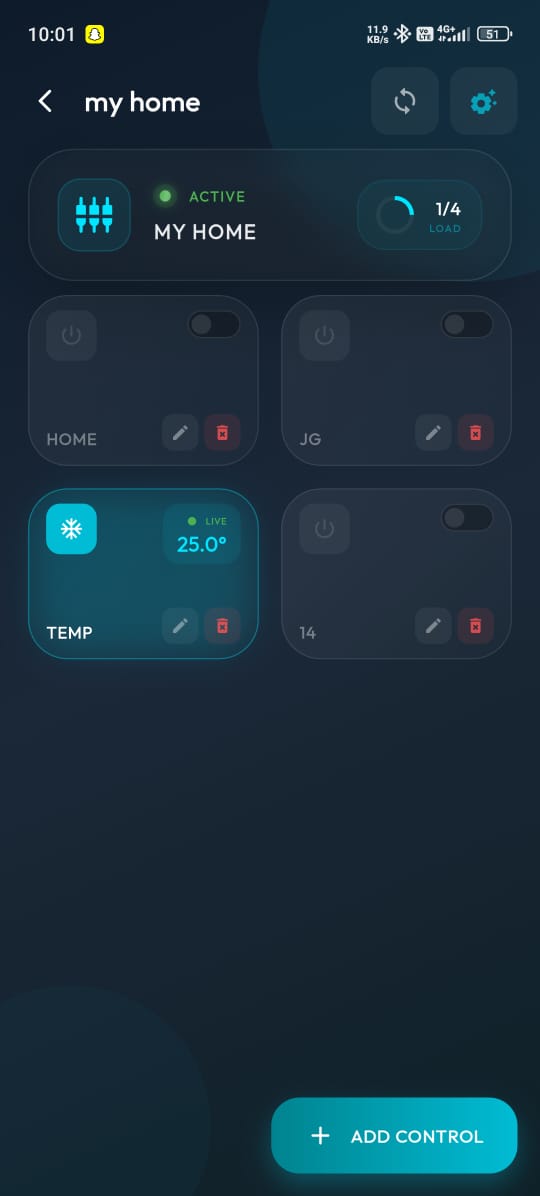
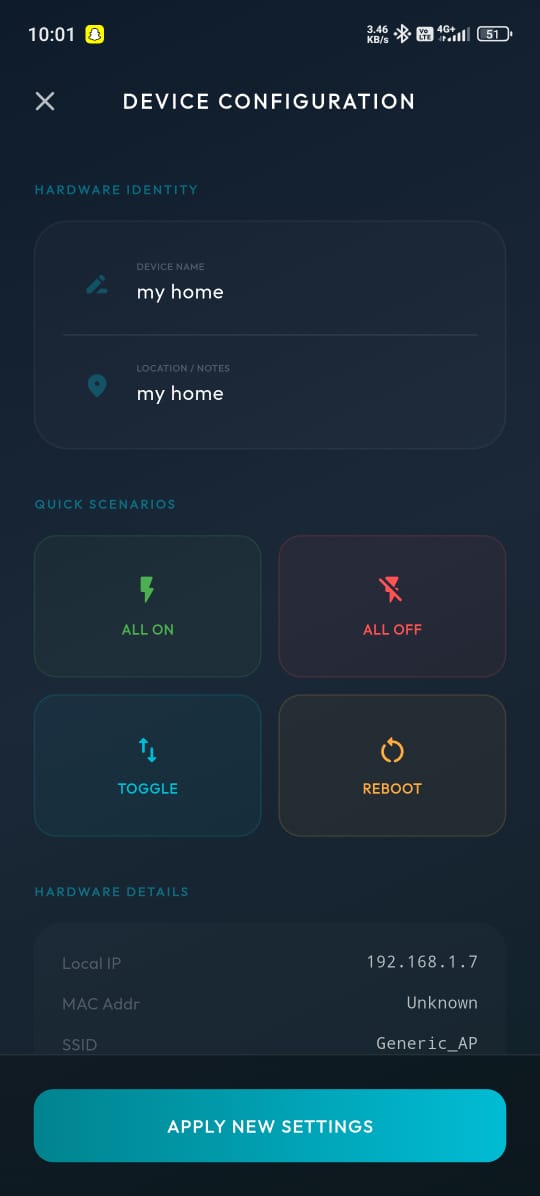
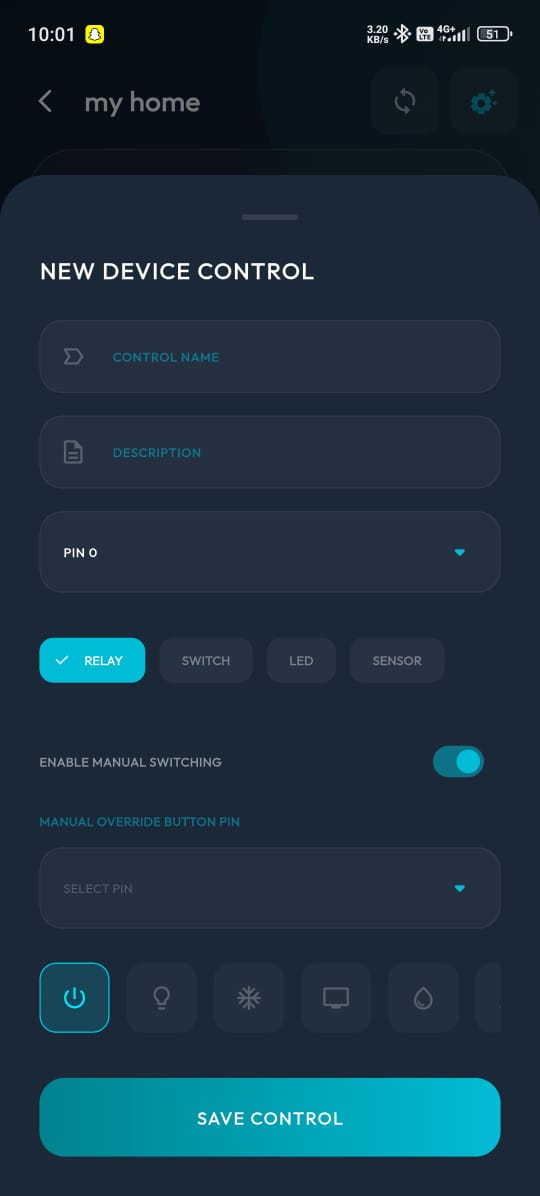
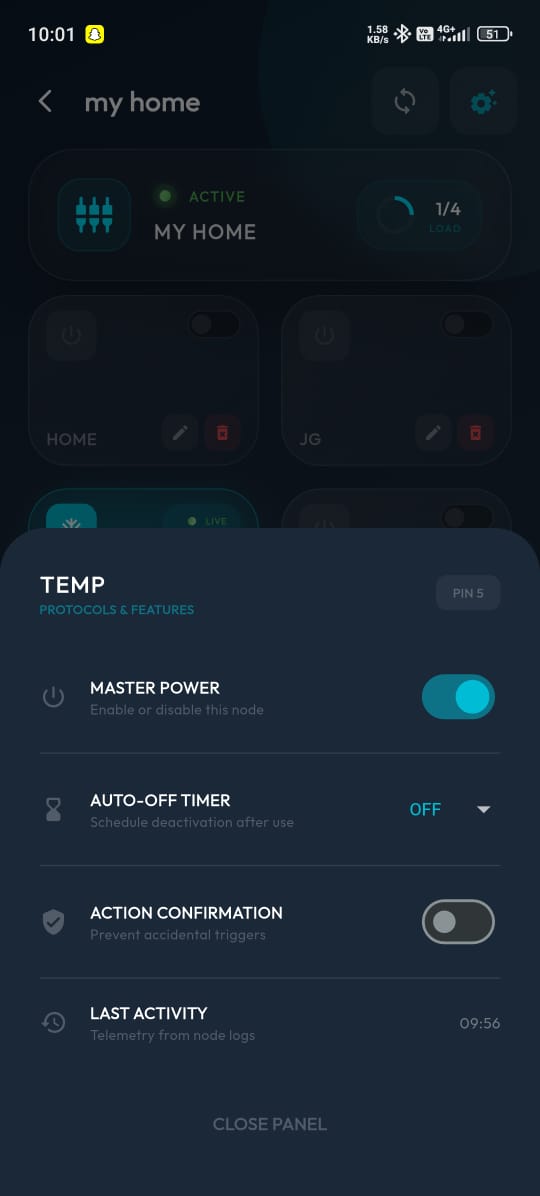
In today’s rapidly evolving digital world, the Internet of Things (IoT) is transforming how we interact with everyday devices. From smart homes to industrial automation, IoT enables seamless communication between hardware and software systems. In this project, we explore how to build a powerful and scalable IoT solution using the ESP8266 microcontroller, allowing you to control devices anytime and anywhere over the internet.
The ESP8266 IoT Project for controlling devices anytime and anywhere is a powerful and cost-effective solution for building smart automation systems. This project demonstrates how to use the ESP8266 WiFi module to create a smart home automation system that allows users to remotely control electrical devices such as lights, fans, and appliances through the internet. With its built-in WiFi capability, the ESP8266 enables seamless IoT device connectivity without requiring additional hardware, making it an ideal choice for developers, engineers, and IoT enthusiasts.
This IoT-based project integrates both hardware and software components, including the ESP8266 microcontroller, relay modules for high-voltage device control, and a reliable power supply. The system is developed using the Arduino IDE, where custom firmware is written to connect the device to a WiFi network and communicate with cloud servers using protocols like HTTP, MQTT, and WebSockets. A responsive web-based dashboard or mobile interface allows users to control devices in real time and monitor their status from anywhere in the world.
Security and performance are key features of this project, incorporating authentication mechanisms, secure communication protocols, and efficient data handling to ensure safe and reliable operation. The system also supports real-time monitoring, providing instant feedback on device status such as ON/OFF conditions. Its scalable architecture makes it easy to expand by adding more devices, making it suitable for smart homes, industrial automation, and IoT-based solutions.
This ESP8266 IoT project is ideal for beginners learning IoT development as well as professionals building advanced automation systems. It covers essential concepts such as embedded systems, wireless communication, cloud integration, and real-time control systems. Additionally, the project can be extended with advanced features like voice control (Alexa/Google Assistant), mobile app integration, scheduling, sensor-based automation, and IoT data analytics dashboards.
By implementing this project, users gain hands-on experience in building a complete IoT ecosystem, from circuit design to cloud connectivity. Overall, this ESP8266-based IoT automation system showcases how modern technology can be used to create smart, efficient, and connected environments that enhance convenience, control, and productivity.